

Caregiving is an important duty a Caregiver owes to their loved ones when they have the responsibility of Caregiving. That is why choosing to become a Caregiver is just as important. When your spouse, parent or sibling has received a diagnosis of Dementia or Alzheimer’s and are at the point of their lives where they need assistance and championship, choosing to be their Caregiver is a major decision to make not only for you but also for your loved one being cared for. When you choose to become a Caregiver, every aspect of that loved one’s life is placed into your hands. There are many things to take into consideration with choosing to become a Caregiver which include:
Coping with the Diagnosis of Dementia or Alzheimer’s
Is Caregiving right for You?
Education
Transitioning into Your new role as a Caregiver
Preparing for Caregiving
Essential steps to getting started as a Caregiver
In today’s blog, we will be talking about choosing to become a Caregiver and coping with the diagnosis of Dementia or Alzheimer’s. Let’s jump right into it, shall we?
When you are considering becoming a Caregiver for your loved one who has been diagnosed with Dementia or Alzheimer’s, you must realize that this is a very emotional time for them. You must consider the fact that your loved one is losing their independence, which will be the hardest change in their lives they may have ever dealt with. They are no longer able to work, live on their own, come and go as they please, take walks alone on a sunny day like they once did, or even drive. Your loved one may feel anxiety with the inability of doing the simple things like brushing their hair, put on their socks, or applying their makeup. This anxiety can trigger other emotions that cause your loved one to go into a depression. This depression can lead to them alienating themselves from family, friends, hobbies, or other freedoms they once enjoyed. Your loved one should be made to feel as normal as possible doing things they use to do to the best of their ability with your assistance. Assist them with their daily routines; take that walk with them; allow them to feel that freedom they once felt accompanied by you the Caregiver. I am sure they would rather do it with you than alone.
For you, the Caregiver, your loved one’s emotions and behavior may change the way you are feeling as well as the dynamic of your relationship. There may be a time where you think it is best to put your feelings and emotions on the back burner while you do your best to help and care for your loved one. Over time you may become bitter, resentful, or even frustrated. Ignoring your feelings is very unhealthy for you because it allows your feelings to build up inside you which may lead you losing sight of caring for your loved one properly.
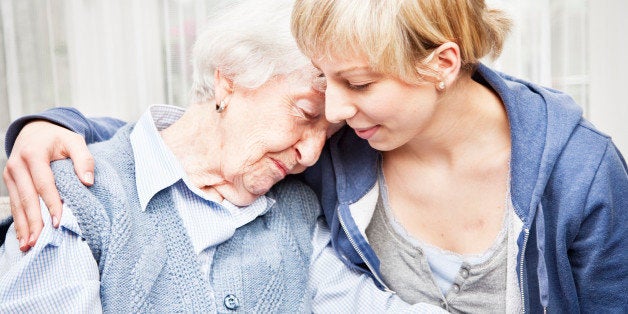 As a Caregiver, it is important to keep in mind that your loved one may have lost control of their emotions and behaviors as their illness progresses. Remember, their illness is something they did not ask for. Having the love and compassion is vital to making your loved one feel safe and secure. Keep in mind that this is a learning stage for you as a Caregiver and your loved one. Taking the journey with your loved one day at a time is important as they cope with the symptoms of Dementia or Alzheimer’s. Don’t be so hard on your loved one, they may be learning how to do things they once knew how to do before being diagnosed with Dementia or Alzheimer’s. And don’t be so hard on yourself. This is all new to you just as it is for your loved one. Embrace the changes and use them as a way to connect with your loved one so they don’t feel as if they are alone.
That wraps up what to consider when choosing to become a Caregiver and coping with the diagnosis of illnesses such as Dementia or Alzheimer’s. Next week we will tackle questions to ask yourself when determining if Caregiving is right for you.
If you know someone who is considering becoming a Caregiver, share this blog with them as well as the following blogs that are focused on what to consider when choosing to become a Caregiver.
 Vastland Health-Services Blog